Many people are drawn to CFD trading because of the idea that quick profits are possible. You might see social media posts showing big wins or hear stories of traders doubling their money in a short time. But is it really that simple? Can you genuinely earn money with this kind of trading? The answer is yes—but it’s not easy, and it’s not guaranteed.
CFD stands for Contract for Difference. It allows you to trade based on price movements without owning the asset. You can profit whether the price goes up or down, as long as your prediction is correct. This makes it flexible, but also risky. A small mistake in judgement can lead to losses just as quickly as gains.
Online CFD trading gives you access to markets around the world. From one platform, you can trade shares, currencies, indices, and commodities. The variety is attractive, especially for people who want to explore different assets. But more options also mean more research is needed. Not every market behaves the same, and each one comes with its own risks.
One of the main reasons traders lose money is poor risk management. Some people risk too much on a single trade. Others trade too often or let emotions take over when a trade goes wrong. Successful traders, on the other hand, usually follow a plan. They decide in advance how much they are willing to risk and where they will close the trade, whether it goes well or not.
There’s also the matter of leverage. It’s one of the features that makes CFD trading different from buying regular shares. You can control a larger trade size with a smaller deposit. While this can increase your returns, it also increases your losses if the market moves the other way. Many beginners don’t realise how fast their balance can drop when using high leverage.
Timing plays a big part too. Some traders make money by trading during major market events, such as interest rate decisions or company earnings reports. Prices can move sharply during these times, offering quick chances to enter and exit trades. But these moments are unpredictable. If your timing is even slightly off, you can lose more than expected.
The truth is that consistent profits from CFD trading come from skill, not luck. It takes time to build experience. Many traders start with a demo account, which allows them to practise with no financial risk. This helps them learn how markets behave, test strategies, and understand how their emotions affect decisions.
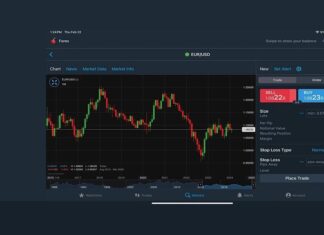
Online CFD trading platforms often provide educational tools. These include webinars, articles, and charting features that help users make informed choices. While not every tool will lead to a profit, they can make a real difference in how confident and prepared you feel before making a trade.
It’s also worth noting that not all profits come quickly. Some traders prefer short-term moves, while others wait longer for trends to develop. Both styles can work if managed properly. The mistake many people make is expecting fast results without putting in the effort to understand what they’re doing.
While there are traders who make money, there are just as many who don’t. That’s the honest part of the story. The market doesn’t offer guaranteed returns. But if you’re careful, stay patient, and treat it like a skill you need to learn—not a game—you have a better chance of seeing success.
With online CFD trading, the opportunity is there, but so is the risk. The tools and access are helpful, but they don’t replace discipline, planning, and constant learning. If you keep that in mind, you’ll be in a much stronger position than most who dive in expecting fast wins.